October 2, 2026
If you've ever researched how to care for the trees on your property, you've probably noticed that the terms "trimming" and "pruning" get used almost interchangeably. Neighbors use them to mean the same thing, and even some landscapers treat them as synonyms. While both services involve cutting back parts of a tree, they serve different purposes, rely on different techniques, and produce different long-term results.
Understanding the distinction between tree trimming and tree pruning can help you request the right service, set realistic expectations, and protect the health and value of your landscape. A tree that needs corrective pruning won't benefit much from a quick cosmetic trim, and an overgrown hedge doesn't necessarily require the careful, selective cuts that a mature oak does. In this guide, we'll break down what each service involves, how the approaches differ, when you might need one or the other, and why trained professionals are your best resource for getting it right.
Defining the Basics of Trimming
Tree trimming is primarily a maintenance and appearance-focused service. It involves cutting back overgrown branches to keep a tree, shrub, or hedge looking neat and well-proportioned. The goal is usually to manage size and shape, improve sightlines, and maintain clearance around structures, driveways, walkways, and roofs.
Think of trimming as similar to getting a haircut. It tidies up growth that has become unruly and keeps your landscape looking cared for. Common reasons homeowners schedule trimming include branches brushing against siding or windows, limbs hanging low over sidewalks, and dense canopies blocking sunlight from reaching lawns and gardens.
Trimming also applies heavily to hedges and shrubs. Hedge and shrub trimming keeps privacy screens uniform, maintains formal shapes, and prevents foundation plantings from swallowing windows and entryways. Because these plants often grow quickly, they may need attention several times throughout the growing season.
That said, tree trimming isn't purely cosmetic. Clearing branches away from utility lines, roofs, and gutters reduces the risk of property damage and service interruptions. Limbs that grow too close to power lines, in particular, present serious hazards and should only be addressed by trained crews with proper equipment and safety protocols.
Understanding the Goals of Pruning
Pruning is a more targeted, health-focused practice. Rather than shaping a tree for appearance, pruning involves selectively removing specific branches to improve a tree's structure, vitality, and long-term stability. Each cut is deliberate, made with an understanding of how the tree will respond and heal.
Arborists prune trees to remove dead, dying, or diseased branches before problems spread. They also remove limbs that cross and rub against each other, since that friction creates wounds that invite decay, insects, and fungal infections. Structural pruning on younger trees helps establish a strong central leader and well-spaced branches, reducing the likelihood of weak limb attachments that could fail during storms.
For mature trees, pruning may include crown thinning to improve airflow and light penetration, or crown reduction to decrease the overall height and spread of a tree while preserving its natural form. These techniques lower wind resistance and relieve stress on heavy limbs, which can be especially valuable for large trees growing near homes.
Pruning also extends to hedges and shrubs. Hedge and shrub pruning focuses on removing old or unproductive stems, encouraging healthy new growth, and rejuvenating plants that have become leggy or sparse. In short, pruning is about what's happening inside the plant, while trimming is typically about what you see on the outside.
Comparing the Tools and Techniques Involved
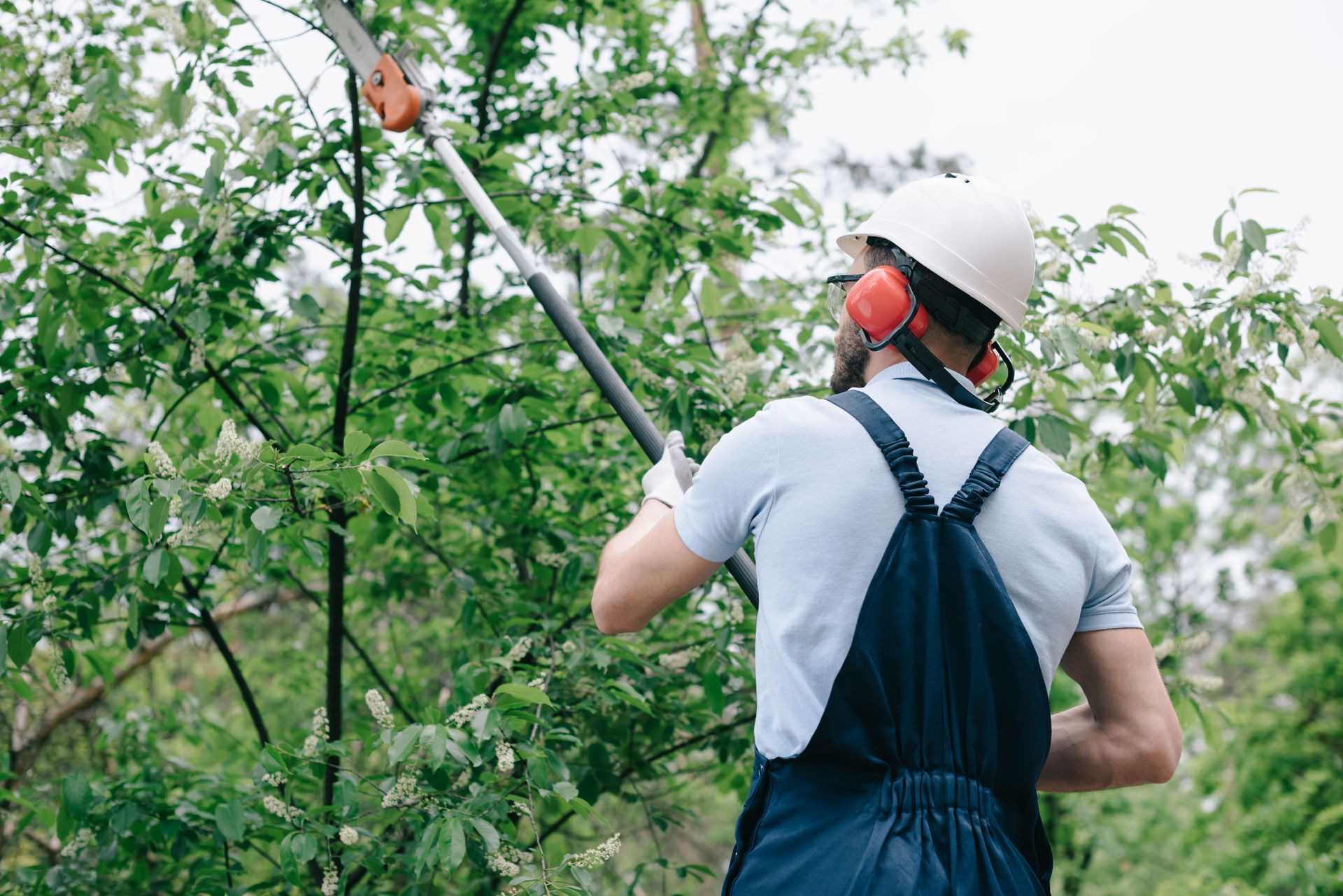
The difference between these services also shows up in the tools and methods used. Tree trimming commonly relies on hedge shears, power trimmers, and pole saws to cut back outer growth efficiently. The focus is on even, consistent cuts that create a clean silhouette.
Pruning demands greater precision. Arborists use hand pruners, loppers, and pruning saws to make cuts at specific points, typically just outside the branch collar, which is the slightly swollen area where a branch meets the trunk. Cutting in the right place allows the tree to seal the wound naturally. Cutting too close or leaving long stubs can slow healing and create entry points for disease.
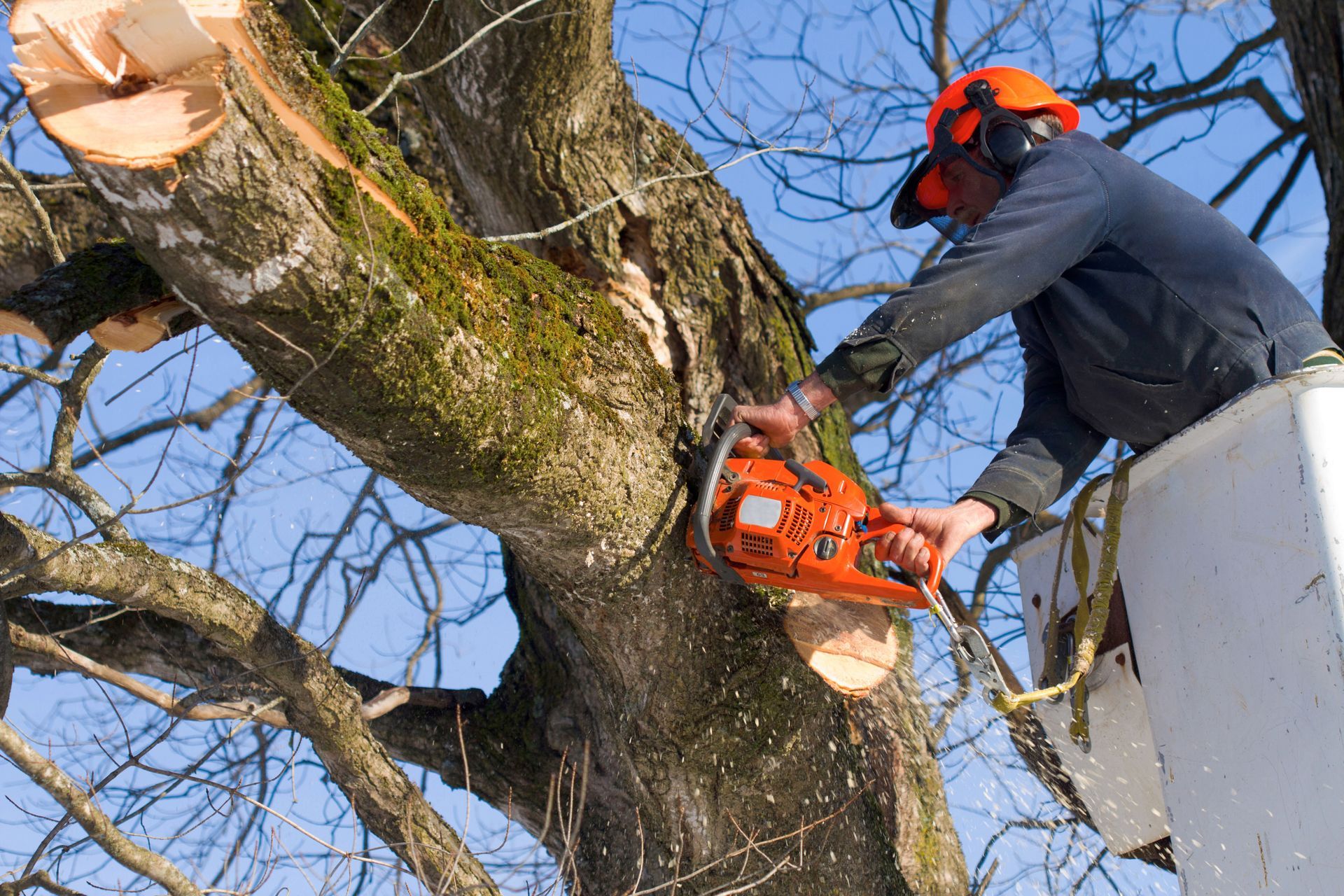
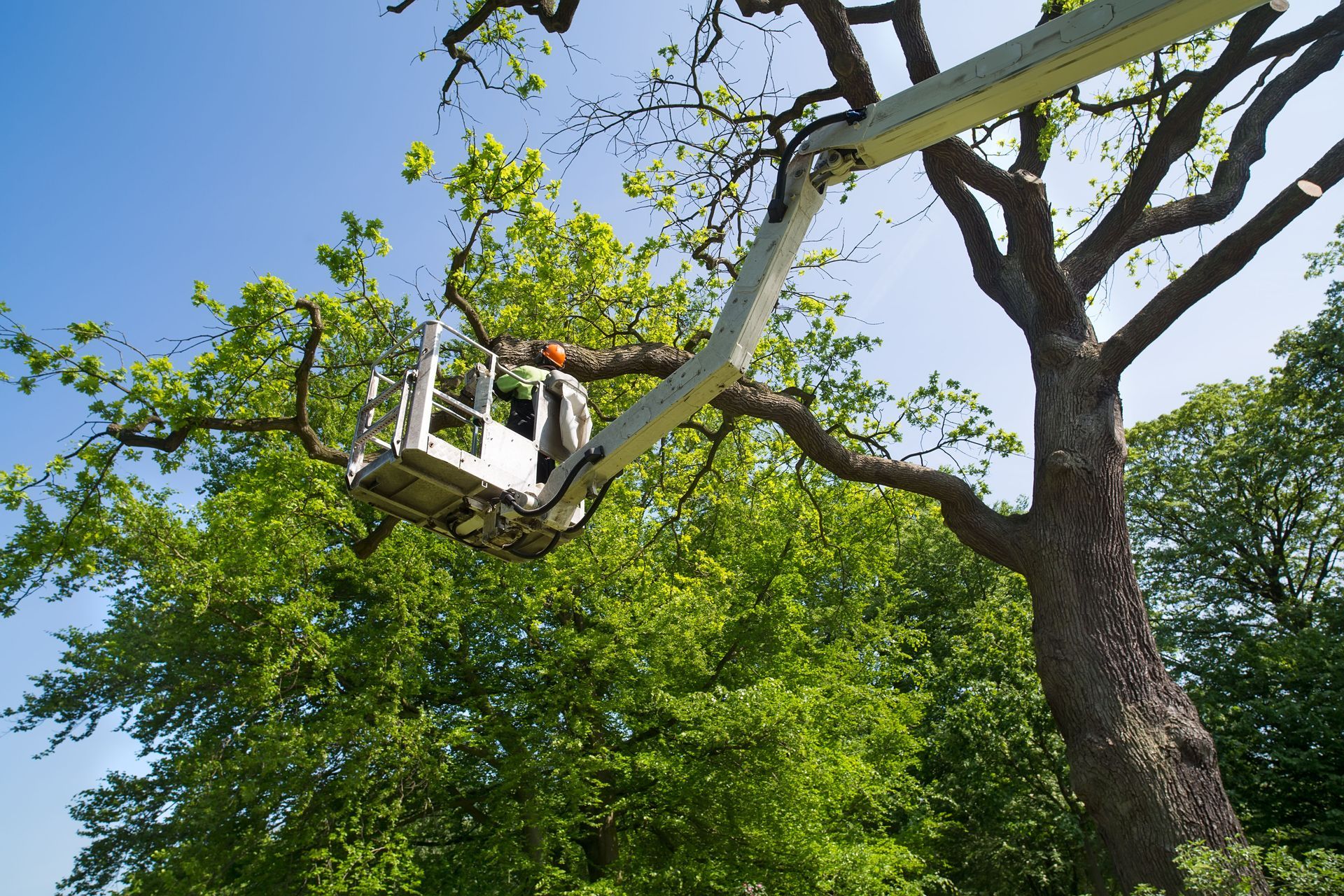
For tall trees, both services may require specialized equipment. Aerial lifts allow crews to reach high canopies safely and make controlled cuts without placing unnecessary strain on the tree or risking a dangerous climb. Professionals also know how to lower heavy limbs in sections so they don't damage roofs, fences, or landscaping below, and they handle debris removal and chipping once the work is complete.
Recognizing When Each Service Is Needed
So how do you know which service your trees need? In many cases, the signs are fairly clear.
You'll likely benefit from tree trimming if branches are touching your house, obstructing views or walkways, interfering with utility lines, or making your hedges look shaggy and uneven. These issues relate mostly to size, clearance, and appearance.
Pruning is the better choice when you notice dead or broken limbs, branches crossing and rubbing, signs of disease such as discolored leaves or cankers, an overly dense crown, or structural concerns like a split trunk or weak branch unions. After a major storm, pruning can remove damaged wood and restore balance to a tree's canopy.
Many properties need both. A comprehensive tree maintenance program often combines regular tree trimming for appearance and clearance with periodic pruning for health and structure. If you're unsure where your trees stand, a professional tree health evaluation can identify existing problems and recommend the right approach before small issues become costly ones.
Choosing Professionals Over DIY Approaches
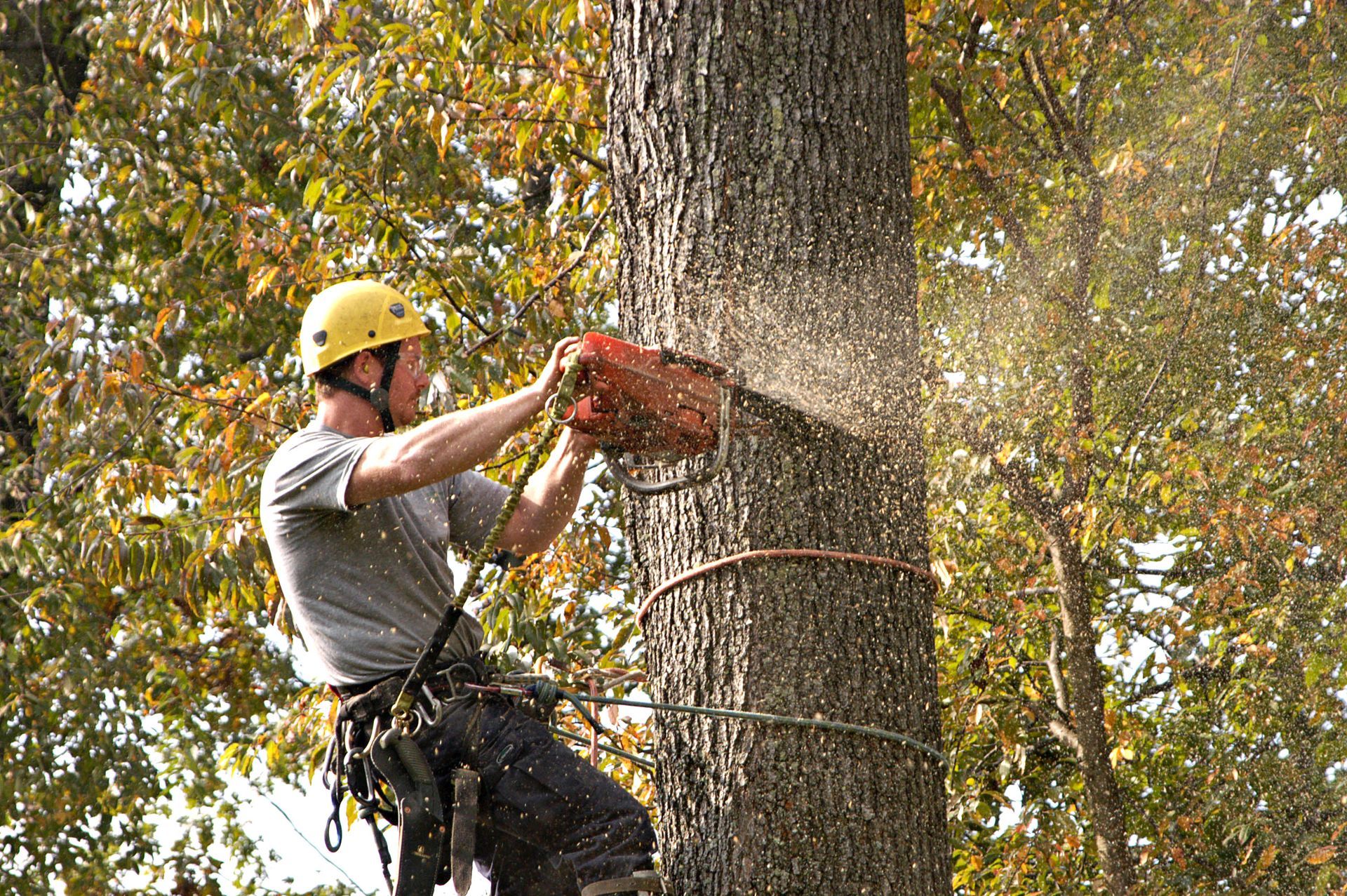
It might be tempting to grab a ladder and a saw and handle the work yourself, but both trimming and pruning carry real risks. Falls from ladders, chainsaw injuries, and unexpected branch movement cause serious accidents every year. Working near power lines adds another layer of danger that no homeowner should take on.
Beyond safety, improper cuts can harm the tree itself. Topping, over-thinning, and flush cuts can weaken a tree, invite decay, and shorten its lifespan. Removing too much of the canopy at once stresses the tree and may trigger weak, rapid regrowth that creates bigger problems later.
Fortunately, homeowners have plenty of options. According to IBISWorld, the tree trimming services industry in America includes more than 175,000 businesses as of 2026. With so many choices available, it pays to be selective. Look for a company with ISA Certified Arborists on staff, proper licensing and insurance, the right equipment for large or hard-to-reach trees, and a proven track record. A qualified team will explain whether your trees need trimming, pruning, or both, and they'll perform the work according to accepted industry standards.
While the terms are often used interchangeably, trimming and pruning serve distinct roles in keeping your landscape healthy and attractive. Tree trimming focuses on shape, size, and clearance, while pruning targets the health and structure of each tree. Knowing the difference helps you ask for the right service and invest wisely in your property's long-term beauty and safety.
If you're ready to give your trees the expert attention they deserve, we're here to help. At Birchwood Tree Services, our ISA Certified Arborists provide professional trimming, pruning, crown reduction, and hedge and shrub care for homes and businesses in Arlington Heights and the surrounding areas. We'll evaluate your trees, recommend the right approach, and complete the job safely, using our 72-foot lift when height calls for it. Contact us today to request your free quote, and let us help your landscape thrive for years to come.